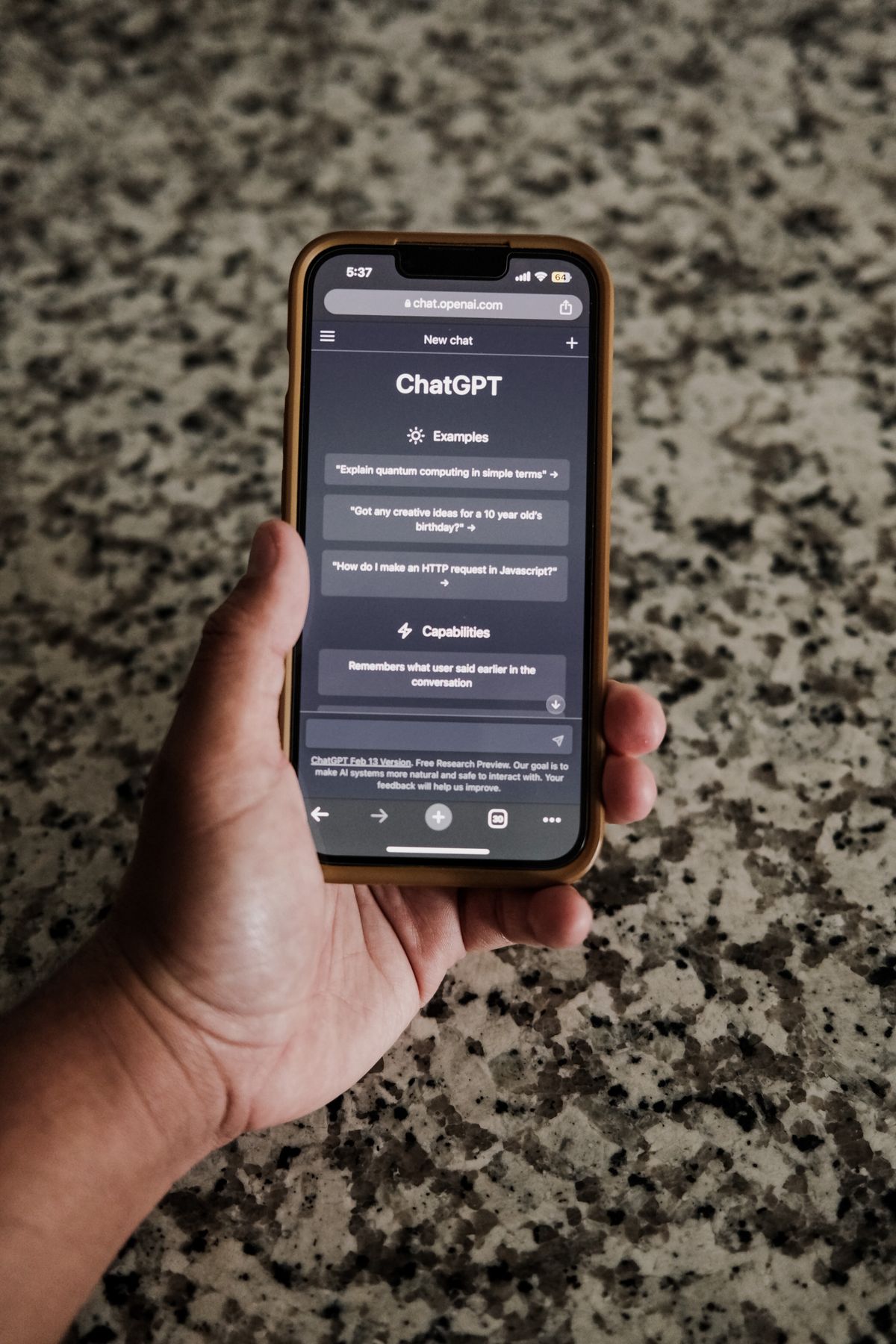
According to OpenAI's release notes, from 12/06/2026, GPT-5.2 (Instant/Thinking/Pro) is no longer available in ChatGPT and old conversations move automatically to the corresponding GPT-5.5; GPT-4.5 was then removed from ChatGPT on 26/06/2026, and o3 was scheduled to leave ChatGPT on 26/08/2026. OpenAI has also added the "Active sessions" security feature so users can review their login sessions.
Quick summary
- When: from 12/06/2026.
- What: GPT-5.2 is dropped from ChatGPT, conversations move to GPT-5.5; GPT-4.5 left ChatGPT on 26/06/2026 and o3 was scheduled to follow on 26/08/2026.
- API: older o3 snapshots are set for removal from the API on 11/12/2026.
- New: the 'Active sessions' feature to review login sessions (device, time, etc.).
- Lesson: model lifecycles are very short — building processes on a specific model is easy to trip over.
What happened?
According to OpenAI's release notes page, the schedule of retirements and model swaps is coming thick and fast: GPT-5.2 gives way to GPT-5.5, with older models retiring one by one on specific dates. In parallel, 'Active sessions' helps users better control account security (viewing devices, approximate location, login time).
| Model | Date | Status |
|---|---|---|
| GPT-5.2 (Instant/Thinking/Pro) | 12/06/2026 | No longer in ChatGPT; old conversations move to GPT-5.5 |
| GPT-4.5 | 26/06/2026 | No longer available in ChatGPT, including custom GPTs |
| o3 (ChatGPT) | 26/08/2026 | Scheduled retirement after a 90-day sunset (announced 28/05/2026) |
| o3 snapshots (API) | 11/12/2026 | Scheduled removal from the API |
Why this matters
An update as of 24/09/2026: the ChatGPT release notes confirm GPT-4.5 left ChatGPT on 26/06/2026 (OpenAI's separate Model Release Notes say 27/06), while no later entry yet confirms o3's removal on 26/08. On the API side, OpenAI's deprecations page lists the removal of older o3 snapshots on 11/12/2026.
Cloud AI model lifecycles are very short. Businesses that build processes or products tightly around a specific model can be affected when the provider swaps or retires that model — they have to re-test, adjust prompts, and sometimes deal with changed output behavior.

A perspective for businesses
One more reason for in-house AI: when you run open-source models on your own infrastructure, your business controls when to upgrade — you're not forced to swap models on the provider's schedule, keeping your operational processes stable.
Frequently asked questions
Can GPT-5.2 still be used in ChatGPT?
According to OpenAI's release notes, from 12/06/2026 GPT-5.2 is no longer available in ChatGPT and old conversations move automatically to the corresponding GPT-5.5.
What is 'Active sessions'?
It is a security feature that lets users review their account login sessions (device, time, approximate location, trusted devices).
Why is a short model lifecycle a risk for businesses?
Because processes or products tied to a specific model may need to be re-tested and adjusted when the model is swapped or retired. In-house AI helps you control when to upgrade.
Keep your AI stable and under control
Namtech deploys in-house AI on open-source models — you decide when to upgrade, never caught off guard.
Book a free consultationNote: This article was first compiled from public sources on 23/06/2026. Last updated 24/09/2026: retirement dates for GPT-4.5 and o3 updated against OpenAI's release notes and deprecations page. Information is for reference and may change.